


Danforth Anchors
Choosing a Danforth Anchor
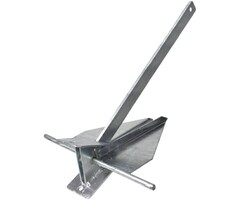
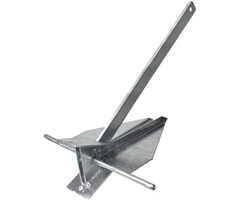
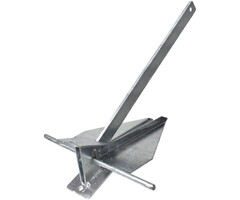
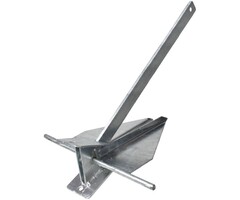
A Danforth Anchor is mainly suitable for sand, mud and soft clay. Its wide flukes dig into the seabed to provide holding power. Check the dimensions before ordering, especially if you want to store the anchor in an anchor locker.
The table below helps you choose the anchor weight. Choose between extended or overnight anchoring and temporary anchoring in sheltered waters in fair weather while you stay on board.
| Anchor weight | Max. boat length extended / overnight anchoring | Max. boat length temporary sheltered anchoring |
|---|---|---|
| 2 kg | 3 m | 4 m |
| 3 kg | 4 m | 5 m |
| 4 kg | 4.5 m | 6 m |
| 5 kg | 5 m | 6.5 m |
| 6 kg | 5.5 m | 7 m |
| 8 kg | 6.5 m | 8 m |
| 10 kg | 8 m | 9.5 m |
| 12 kg | 9 m | 11 m |
| 15 kg | 11 m | 13 m |
| 20 kg | 14 m | 16 m |
The boat lengths shown are a guide. Your boat's weight, how much wind it catches, the anchor rope or chain you use and the conditions also matter. Do you have a relatively heavy boat or one that catches a lot of wind? You may need a heavier anchor than the table suggests based on boat length alone.
Anchor rope and chain
A chain leader or anchor chain, or a leaded anchor rope, helps the anchor hold better. The extra weight keeps the pull closer to the seabed, helping the anchor dig in.
Want to know more about choosing an anchor, how much anchor rope to use and suitable accessories? Read our guide on the Anchors page.